


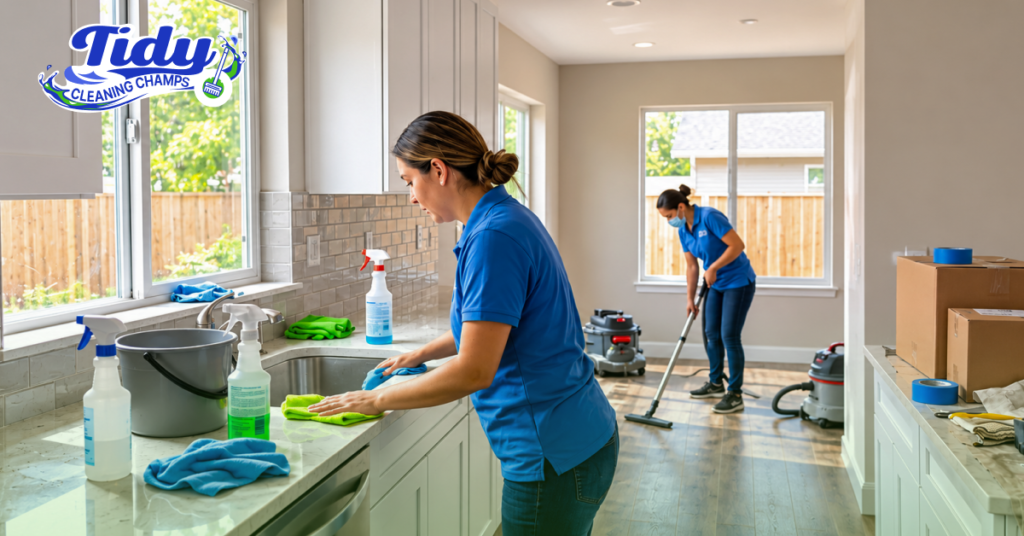
Your home may look beautiful after a renovation, but have you noticed the fine dust covering your countertops, floors, windows, and furniture? Even after contractors finish their work, small particles of drywall, sawdust, paint, and construction materials can remain in places that are easy to overlook. This is why post renovation cleaning is an essential step before enjoying your newly updated living space. A proper cleanup removes construction residue, improves everyday comfort, and helps prepare every room for normal use.
Renovation projects can create mess in almost every part of a house. Kitchen remodeling, bathroom upgrades, flooring replacement, painting, and wall repairs often leave behind dust that travels beyond the original work area. Regular housekeeping may remove visible dirt, but it usually does not address the detailed cleaning required after construction.
Understanding what deep cleaning includes after a remodel helps homeowners know which areas need attention and when professional cleaning may be necessary. From ceiling fans and air vents to kitchen cabinets and bathroom fixtures, every surface needs the right cleaning method.
What Does Post Renovation Cleaning Include After a Home Remodel?
Post renovation cleaning includes removing construction debris, collecting fine dust, cleaning walls and ceilings, wiping cabinets, washing windows, sanitizing bathrooms, and thoroughly cleaning floors. It also involves paying attention to hidden areas such as window tracks, baseboards, light fixtures, door frames, and air vents.
Unlike regular house cleaning, this process focuses on removing materials left behind by construction and renovation work. Drywall dust, sawdust, grout residue, adhesive marks, paint splatters, and packaging materials require more detailed attention.
A complete cleaning usually follows a top-to-bottom approach. Cleaners start with higher surfaces, move toward furniture and fixtures, and finish with floors. This prevents dust from falling onto surfaces that have already been cleaned.
The exact cleaning requirements depend on the size of the renovation, the materials used, and how much of the home was exposed to construction activities.
Why Does Your Home Need Deep Cleaning After Renovation?
Renovation dust is different from ordinary household dust. It can contain tiny particles from drywall, wood, tile, concrete, insulation, and other building materials. These particles may settle on surfaces throughout the home, including areas far away from the renovation site.
Even when contractors remove large construction materials, fine dust can remain on shelves, inside drawers, around window frames, and near heating and cooling vents. Walking through the house or switching on the HVAC system can redistribute these particles.
A detailed cleanup also helps protect newly installed materials. For example, abrasive dust can scratch certain surfaces when rubbed without proper preparation. Grout residue, paint splatters, and adhesive marks may also become harder to remove if they remain for too long.
Another important reason is indoor air quality. Construction activities can release particles that irritate the eyes, throat, and respiratory system. Proper dust containment, filtration, and cleaning methods help reduce the amount of loose dust inside the home.
Which Areas Should Be Included in a Post-Renovation Deep Cleaning?
A complete cleaning should cover the entire home, not just the room where contractors worked. Construction dust can travel through open doorways, hallways, ventilation systems, and everyday foot traffic.
1. Ceilings, Walls, and Light Fixtures
Ceilings and walls are often overlooked because homeowners usually focus on countertops and floors. However, drywall sanding, drilling, and painting can leave fine particles on these surfaces.
Cleaners should carefully remove dust from ceiling corners, crown molding, wall edges, and decorative trim. Ceiling fans, light fixtures, recessed lighting surrounds, and other accessible fittings should also receive attention.
Walls may need gentle spot cleaning to remove fingerprints, dust marks, or minor construction residue. The cleaning method should match the paint finish to prevent discoloration or damage.
2. Kitchen Cabinets, Drawers, and Countertops
Kitchens require detailed cleaning because construction dust can settle inside storage spaces and around food preparation areas. Even closed cabinets may contain particles if they were exposed during remodeling.
The cleaning process generally includes wiping cabinet doors, handles, shelves, and drawer interiors. Countertops and backsplashes should be cleaned with products suitable for their materials, including granite, quartz, laminate, or tile.
Sinks and faucets should be washed to remove dust and residue. The exterior of appliances such as refrigerators, ovens, dishwashers, and microwaves should also be cleaned.
If the service includes interior appliance cleaning, the inside of ovens, refrigerators, and microwaves can receive additional attention. Range hoods and accessible filters should also be checked for accumulated dust and grease.
3. Bathrooms, Showers, and Plumbing Fixtures
Bathroom renovations often produce tile dust, grout residue, adhesive marks, and other construction materials. These substances can collect around sinks, tubs, showers, toilets, and newly installed fixtures.
A detailed bathroom cleaning includes washing and disinfecting toilets, sinks, faucets, shower doors, bathtubs, and countertops. Mirrors and glass surfaces should be cleaned to remove streaks and fine dust.
Tile and grout require suitable cleaning products because aggressive chemicals may damage certain finishes. Cleaners should also remove loose construction residue around fixtures without disturbing fresh caulk or grout.
Drains should be checked for visible debris, but cleaners should not push construction waste into plumbing pipes. Plumbing problems or suspected blockages should be handled by a qualified professional.
4. Windows, Window Tracks, and Glass Doors
Windows collect construction dust, paint splatters, adhesive residue, and protective film. Although the glass may appear clean from a distance, window tracks and corners can contain considerable amounts of debris.
A proper cleanup includes wiping interior glass, window frames, sills, and accessible tracks. Sliding glass doors and mirrors should also be cleaned carefully.
Any paint or adhesive residue should be removed using a method appropriate for the glass and surrounding materials. Metal blades and abrasive tools should not be used carelessly because they can scratch glass or damage coatings.
5. Doors, Baseboards, and Other Frequently Touched Surfaces
Door frames, handles, hinges, light switches, and baseboards can collect dust throughout a renovation. These areas are easy to miss during a quick cleaning session.
Cleaners should wipe doors, door frames, cabinet handles, trim, and baseboards with appropriate cleaning solutions. Switch plates and accessible high-touch surfaces should also be cleaned.
Attention to these smaller details makes a noticeable difference because they help create a consistent, finished appearance throughout the home.
6. Floors, Carpets, and Upholstered Furniture
Floors usually receive the final stage of cleaning because dust and debris fall from higher surfaces during the process.
Hardwood, laminate, vinyl, tile, and stone floors require different cleaning methods. A suitable vacuum should remove loose particles before the floor is damp-mopped with a compatible cleaning solution.
Carpets and rugs may need HEPA-filter vacuuming to capture fine dust trapped between fibers. Upholstered furniture, cushions, and other soft furnishings should also be vacuumed if they were exposed to construction dust.
For stubborn stains or deeply embedded construction residue, professional carpet or upholstery cleaning may be necessary.
What Is the Correct Order for Cleaning a House After Remodeling?
The correct cleaning order helps prevent dust from spreading and reduces the need to repeat completed tasks. A systematic approach is more effective than cleaning random areas throughout the house.
Step 1: Remove Construction Debris
Start by collecting leftover packaging, cardboard, plastic coverings, wood scraps, and other nonhazardous waste. Remove loose materials and make sure walkways are clear.
Sharp objects such as nails, screws, broken glass, and tile fragments require careful handling. Heavy construction waste and hazardous materials should be managed by the appropriate contractor or disposal service.
Step 2: Allow Dust to Settle and Prepare the Space
After construction activities have completely stopped, allow time for airborne dust to settle before performing the detailed cleaning. The waiting period depends on the work completed and the amount of dust generated.
Protective equipment, including gloves, eye protection, and an appropriate respirator, may be needed depending on the materials involved. Ventilation and suitable dust-control equipment also help during cleanup.
Step 3: Clean From Top to Bottom
Begin with ceilings, fans, light fixtures, walls, shelves, cabinets, and window frames. Use suitable vacuum attachments and microfiber cloths to collect dust without spreading it.
Avoid dry sweeping fine construction dust because it can send particles back into the air. A HEPA-filter vacuum and controlled damp wiping are generally more effective for ordinary renovation dust.
Step 4: Detail Clean Kitchens and Bathrooms
Once loose dust has been removed, clean countertops, cabinet interiors, sinks, showers, tubs, toilets, and other fixtures.
Pay special attention to corners, edges, grout lines, and small gaps where construction residue can collect. Always use products that are safe for the surface being cleaned.
Step 5: Clean Floors and Perform a Final Inspection
Vacuum carpets and hard floors before using the appropriate floor-cleaning method. Check corners, edges, underneath accessible furniture, and other areas where dust may remain.
Finally, inspect the entire home for visible residue, missed surfaces, and remaining debris. Some areas may require another cleaning pass after the first round of dust removal.
What Cleaning Equipment Is Needed After a Home Renovation?
The right equipment makes renovation cleanup more effective and helps prevent fine particles from spreading. Ordinary household cleaning tools may not be sufficient for larger remodeling projects.
A HEPA-filter vacuum is particularly useful because it captures fine airborne particles when properly maintained and used according to the manufacturer’s instructions. Microfiber cloths help collect dust from shelves, counters, windowsills, and other surfaces.
Other useful supplies include microfiber mops, suitable floor cleaners, buckets, disposable wipes, soft brushes, glass cleaners, and protective gloves. A respirator and eye protection may also be necessary when handling ordinary renovation dust.
The cleaning solution should always match the material. Natural stone, hardwood, stainless steel, glass, and painted walls can react differently to cleaning chemicals.
Avoid mixing cleaning products, especially bleach with ammonia or acidic cleaners. Always follow product labels and manufacturer recommendations.
How Is Post-Renovation Cleaning Different From Regular Deep Cleaning?
Regular deep cleaning focuses on removing accumulated household dirt, grease, soap scum, and everyday dust. Post-renovation cleaning has a different purpose because it targets construction-related materials that can remain throughout a property.
For example, a normal deep clean may include wiping countertops, scrubbing bathroom tiles, vacuuming carpets, and cleaning baseboards. Renovation cleanup goes further by addressing drywall dust, sawdust, paint residue, grout haze, adhesive marks, protective films, and debris inside newly installed cabinets.
The equipment and cleaning sequence can also differ. Fine construction dust needs careful removal before damp cleaning begins, while ordinary household cleaning may not require the same level of dust control.
Homeowners should understand that a standard deep cleaning appointment does not automatically include construction debris removal or specialized post-construction tasks. The service scope should always be confirmed before booking.
When Should You Schedule Cleaning After a Home Remodel?
The best time to schedule the final cleaning is after contractors have completed their work, removed their tools and materials, and finished necessary touch-ups.
Cleaning too early can create additional work if painters, electricians, plumbers, or flooring installers return afterward. Their activities may introduce fresh dust and debris into areas that have already been cleaned.
For a major renovation, homeowners may benefit from arranging the cleanup after the contractor’s final walkthrough. This makes it easier to identify areas that are ready for cleaning and surfaces that still require repair or installation.
It is also important to consider whether new paint, caulk, grout, or flooring finishes have had enough time to cure. Follow the product manufacturer’s instructions before cleaning these surfaces.
Should You Hire Professional Cleaners After Renovation?
Hiring professional cleaners can be helpful when a renovation affects several rooms, produces significant dust, or leaves difficult-to-reach areas that require detailed attention.
A professional cleaning team can follow a structured process, use suitable equipment, and cover areas homeowners may overlook. This can save time, especially when a family needs to move back into the home quickly.
Professional help is particularly useful for large kitchen renovations, bathroom remodeling, flooring replacement, and whole-house improvement projects.
However, ordinary cleaning services are not a replacement for hazardous-material remediation. If renovation work may have disturbed lead-based paint, asbestos-containing materials, or other hazardous substances, stop ordinary cleanup and consult qualified environmental professionals.
Homeowners can also ask the cleaning company about its equipment, service checklist, included tasks, and any additional charges before confirming an appointment.
How Can You Keep Your Home Clean After Renovation?
Once the detailed cleaning is complete, a simple maintenance routine can help prevent dust from accumulating again.
Vacuum floors regularly, wipe frequently used surfaces with microfiber cloths, and keep window sills and baseboards free from dust. Wash exposed curtains, bedding, cushion covers, and other fabrics when needed.
Check HVAC filters after renovation work and replace them when required. If construction dust may have entered the ductwork, consult an HVAC professional about whether an inspection or duct cleaning is appropriate.
Keep an eye on newly installed surfaces as well. Follow manufacturer instructions when cleaning hardwood flooring, countertops, tile, grout, and other new finishes.
Good maintenance helps preserve the appearance of renovated spaces and reduces the need for another extensive cleaning session.
Frequently Asked Questions About Post-Renovation Cleaning
1. How long does it take to clean a house after renovation?
The cleaning time depends on the size of the property, the number of renovated rooms, and the amount of construction dust and debris. A small bathroom renovation may require only a few hours of detailed cleaning, while a whole-house remodel can require a full day or multiple cleaning sessions.
2. Should I clean before or after the contractor’s final inspection?
It is generally better to schedule the final detailed cleaning after contractors have completed their work and finished necessary touch-ups. This prevents fresh dust, paint residue, and construction debris from settling on recently cleaned surfaces.
3. Does post-renovation cleaning include air ducts?
Basic cleaning may include accessible air vents and register covers, but professional duct cleaning is usually a separate service. If construction dust has entered the HVAC system, consult a qualified HVAC professional to determine whether duct inspection and cleaning are necessary.
4. Can I use a regular vacuum to clean construction dust?
A regular vacuum may not be suitable for fine drywall or construction dust. A properly maintained HEPA-filter vacuum is generally a better choice because it is designed to capture fine particles. Always check the equipment manufacturer’s instructions before vacuuming construction materials.
5. Is post-renovation cleaning necessary after a small bathroom or kitchen remodel?
Yes. Even a small remodeling project can leave dust, grout residue, adhesive marks, and debris inside cabinets, around fixtures, and on nearby floors. A detailed cleaning helps prepare the renovated area for everyday use.
Conclusion
A successful renovation does not end when the contractors finish their work. Fine dust, construction residue, paint marks, and debris can remain on surfaces throughout the property, making detailed cleaning an important final step. Understanding what deep cleaning includes helps homeowners prepare their kitchens, bathrooms, bedrooms, and living spaces for comfortable everyday use.
For homeowners who want a professionally cleaned space without handling every detail themselves, Tidy Cleaning Champs provides cleaning solutions designed to make homes feel fresh, clean, and ready to enjoy. From detailed surface cleaning to removing everyday dirt and dust, the right cleaning service can make the transition from renovation work to normal home life much easier.
When your home needs attention after remodeling, Tidy Cleaning Champs is ready to help. Visit our Contact us page to discuss your cleaning requirements and arrange a service that suits your home.
The US Environmental Protection Agency provides helpful guidance on safe renovation and repair activities, including dust control, HEPA vacuuming, and cleaning precautions.